



Is the Packaged Water Treatment System the Future of Sustainable Water Management?
Packaged Water Treatment System

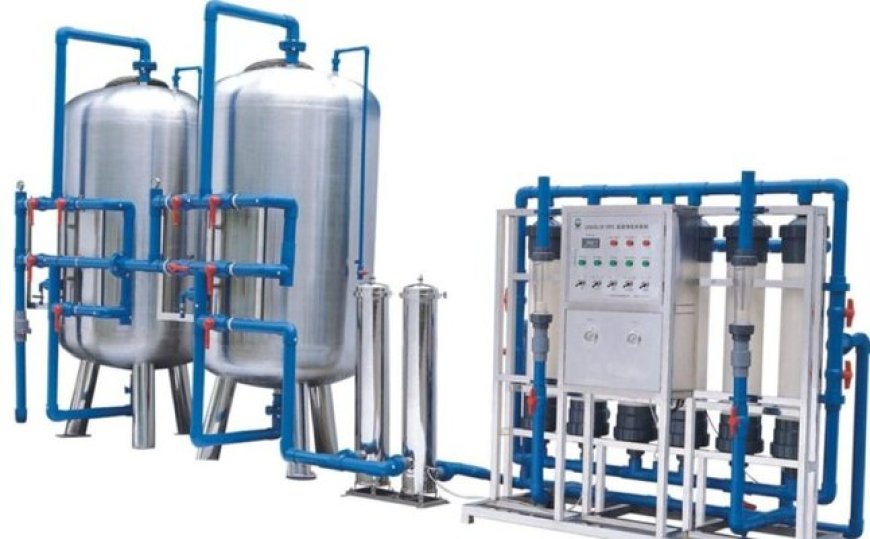
In a world grappling with increasing water scarcity, rapid urbanization, and growing environmental concerns, water treatment technologies are more crucial than ever. Among the many solutions available, the Packaged Water Treatment System (PWTS) has emerged as a practical and scalable answer to water purification needs across industries, municipalities, and remote regions. But what exactly makes PWTS such a compelling solution in today’s water-stressed world? Can it genuinely pave the way for sustainable water management, or is it just another trend in environmental engineering?
Understanding Packaged Water Treatment Systems
A Packaged Water Treatment System is essentially a pre-engineered and pre-assembled unit designed to purify water for various applications. Unlike traditional, large-scale water treatment facilities that require significant infrastructure, land, and capital, PWTS are compact, modular, and mobile. They can be easily installed at the point of use and often require minimal civil work. The systems typically include a combination of technologies such as sedimentation, filtration, membrane processes (like RO), disinfection (like UV or chlorine), and chemical dosing.
These systems are customizable based on the source of water (surface, ground, seawater, or wastewater) and its intended use (drinking, industrial process, or irrigation). Their versatility and ease of deployment have made them particularly popular in developing nations, remote or disaster-hit areas, and temporary installations such as construction sites and military bases.
According to a Packaged Water Treatment Systems Market report, the industry is expected to grow significantly in the coming years.
Why Are Packaged Water Treatment Systems Gaining Popularity?
Several global trends are fueling the demand for packaged systems:
Water Scarcity and Pollution
With water resources depleting rapidly and freshwater bodies getting increasingly polluted, the need for effective on-site water treatment has become paramount. PWTS offers a fast-track solution for clean and safe water without the delays and capital requirements associated with large-scale infrastructure projects.
Urbanization and Population Growth
As cities expand and populations grow, centralized water treatment facilities often struggle to keep up. PWTS enables decentralized water management, allowing small communities and urban pockets to treat water locally without being dependent on overburdened municipal systems.
Technological Advancements
The integration of smart sensors, remote monitoring, and automation has made packaged systems more reliable and efficient. IoT-enabled systems can track water quality in real time and alert operators about maintenance needs, making them more user-friendly and cost-effective.
Sustainability Focus
Sustainability is no longer optional; it’s a global imperative. Packaged systems help reduce water wastage and promote recycling and reuse, aligning with environmental goals and regulations. Many systems now offer energy-efficient operations and lower chemical usage, contributing to a smaller environmental footprint.
Market Dynamics and Growth Outlook
The global Packaged Water Treatment System market has witnessed significant growth over the past decade and is expected to continue its upward trajectory. According to industry reports, the market is projected to grow at a CAGR of over 10% from 2025 to 2032. The Asia-Pacific region is leading the growth, driven by rapid urbanization, industrialization, and water quality challenges in countries like India, China, and Indonesia.
In developed regions like North America and Europe, stringent environmental regulations and aging infrastructure are pushing industries and municipalities toward adopting compact, upgradable water treatment solutions. Sectors like oil & gas, pharmaceuticals, food & beverage, and mining are also increasingly relying on packaged systems to ensure regulatory compliance and operational efficiency.
Key Drivers Behind the Surge
Several key drivers are propelling the adoption of PWTS across the globe:
Rapid Deployment: These systems can be installed and commissioned in a matter of days or weeks, making them ideal for emergency situations or remote locations.
Cost Efficiency: With pre-fabricated designs and modular components, capital and operational expenditures are significantly lower compared to traditional systems.
Customization: Whether it’s seawater desalination, greywater reuse, or effluent treatment, packaged systems can be tailored for specific use cases.
Regulatory Compliance: With increasing scrutiny over wastewater discharge and drinking water quality, industries and municipalities are turning to packaged systems to meet compliance standards.
Technological Innovations Powering the Sector
Modern PWTS are no longer simple filter units. They are intelligent, compact, and efficient, powered by advanced technologies:
Membrane Filtration Technologies: Reverse osmosis, ultrafiltration, and nanofiltration have become more affordable and efficient, enabling superior purification.
Automation and Remote Monitoring: PLC and SCADA systems allow for autonomous operation and diagnostics, reducing the need for skilled labor.
Energy Recovery and Smart Pumps: These components reduce power consumption and operational costs while enhancing system longevity.
Hybrid Systems: Integration of solar-powered operations or renewable energy sources is becoming common, making PWTS suitable for off-grid applications.
Challenges and Market Constraints
Despite its promise, the PWTS market is not without its hurdles. Key challenges include:
Limited Capacity: Packaged systems may not be suitable for large-scale municipal applications due to their size and flow limitations.
Maintenance and Skilled Workforce: While easy to install, some systems require specialized maintenance and technical expertise.
Water Source Variability: Changes in water chemistry can affect system efficiency and require frequent calibration or chemical adjustments.
Initial Perception: In some regions, decision-makers still view packaged systems as temporary or less robust than traditional setups.
Future Outlook: A Pillar of Decentralized Water Management?
The future of Packaged Water Treatment Systems appears promising. As water becomes an increasingly scarce and valuable resource, decentralized, adaptive, and sustainable solutions like PWTS are expected to take center stage in global water strategies. Governments, NGOs, and industries are recognizing the potential of these systems to deliver clean water in a reliable and cost-effective manner.
Innovation will continue to play a vital role. The integration of AI for predictive maintenance, real-time quality analysis, and blockchain for transparency in water quality reporting could redefine the capabilities of PWTS. Moreover, as climate change drives more frequent natural disasters, the need for resilient, mobile water treatment solutions will only grow.
Conclusion
So, is the Packaged Water Treatment System the future of sustainable water management? All signs point to a resounding yes. With their speed of deployment, cost efficiency, scalability, and growing technological sophistication, these systems are poised to revolutionize how we think about water treatment. For regions facing water crises, industries seeking regulatory compliance, or communities needing fast access to clean water, PWTS could be the bridge between current challenges and a more sustainable, hydrated future.
What's Your Reaction?
 Like
0
Like
0
 Dislike
0
Dislike
0
 Love
0
Love
0
 Funny
0
Funny
0
 Wow
0
Wow
0
 Sad
0
Sad
0
 Angry
0
Angry
0


















Comments (0)